

How small expenses can eat into your budget
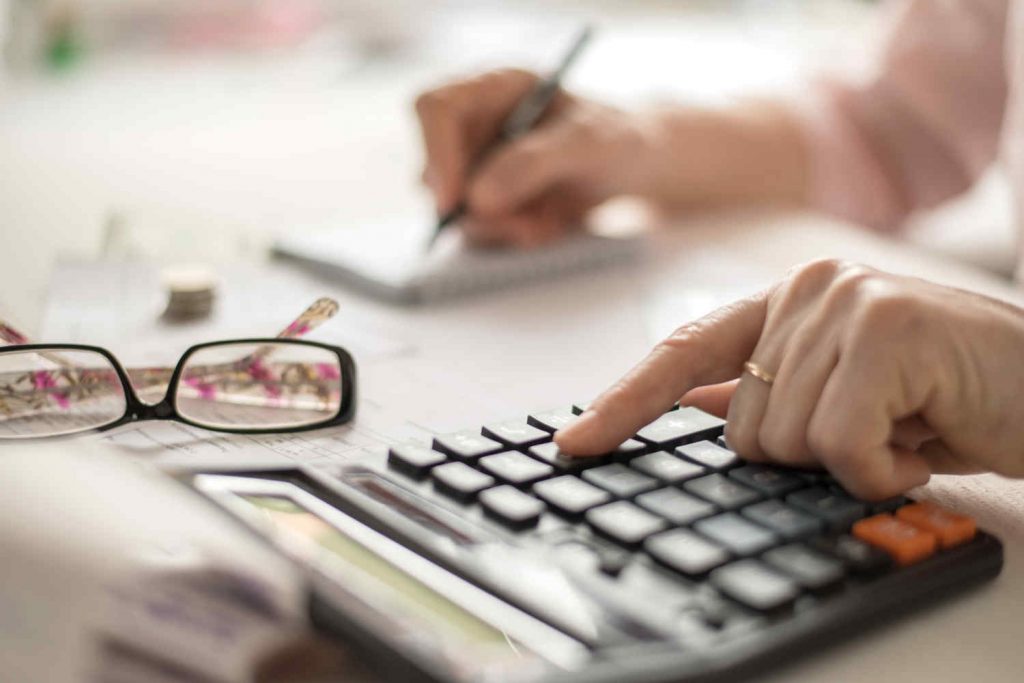
Small everyday purchases have proven to be a surprisingly big burden on Norwegian family budgets. While tools like the reference budget and the SIFO calculator are designed to make it easier for Norwegians to budget and stick to it, the focus is often on the big items. But not taking small amounts into account can quickly have a bigger impact than many people realize.
To ensure a good financial overview and balance, creating a proper budget is the alpha and omega. It is important to consider everything from big items like loans and your monthly food budget to entertainment and comfort. It is possible to include any personal expenses you want, as long as you have a realistic relationship with how much they actually cost.
For example, Norwegians who are interested in gambling can still take advantage of the games and fast payouts at casinos, but it is important to set a clear budget for entertainment and stick to it. If you underestimate or don’t track how much you’re actually spending, your budget can quickly run out sooner than expected. Learn how to finance your travels while playing online poker by clicking this link.
Small recurring expenses
Small recurring expenses, such as coffee on the go, frequent grocery trips, and fixed subscriptions, can add up over time and, in the worst case scenario, contribute to financial imbalance. A daily purchase of 50 kronor equals over 18,000 kronor per year – an amount that is often overlooked in budgets that focus on larger one-off items.
The best way to monitor these amounts is to check your online banking. By reviewing your purchase data over a few months, you can see in black and white how much you’ve spent on items like coffee shops or digital entertainment. It’s then important to figure out whether these items need to be adjusted or can be left as they are.
Norwegian banks are increasingly introducing features, including in mobile banking apps, to help consumers take control of their finances. Budgeting and expense categorization are automated in several apps, making it easier to identify and adjust spending habits. However, for the tools to have the desired effect, awareness and willingness are required.
Many people are surprised when they see how much money they spend on unplanned grocery purchases, especially small purchases without a shopping list. This can quickly lead to double-buying or waste. Therefore, better planning your shopping trips can help both financially and sustainably. One of the best ways to avoid unnecessary food spending is to create a proper meal plan and make sure that all the food you buy is actually used and eaten.
When it comes to other purchases, it is important to avoid impulse purchases and make sure that your money is spent wisely. Financial advisors often recommend that consumers consider purchases based on their hourly wage after taxes. By looking at each expense as a percentage of the time spent working, it’s easier to gauge whether the purchase is worth it.
See also: Horse theme in foreign casinos
Another common tip
Another common tip is to implement a temporary spending freeze on purchases for certain periods, buying only the bare necessities. Such measures can help to identify habits that previously went unnoticed. For example, if you have a habit of buying a lot of clothes, suspending these expenses can be positive from both a financial and environmental perspective.
According to SIFO, it is everyday savings – the sum of small decisions made every day – that have the greatest impact on financial stability over time. Even if individual purchases seem insignificant, the overall picture can have serious consequences. By being more aware of these expenses, households can gain better control and avoid financial surprises at the end of the month.
