

Investors wait for Fed, UK price hike puts pressure on Bank of England
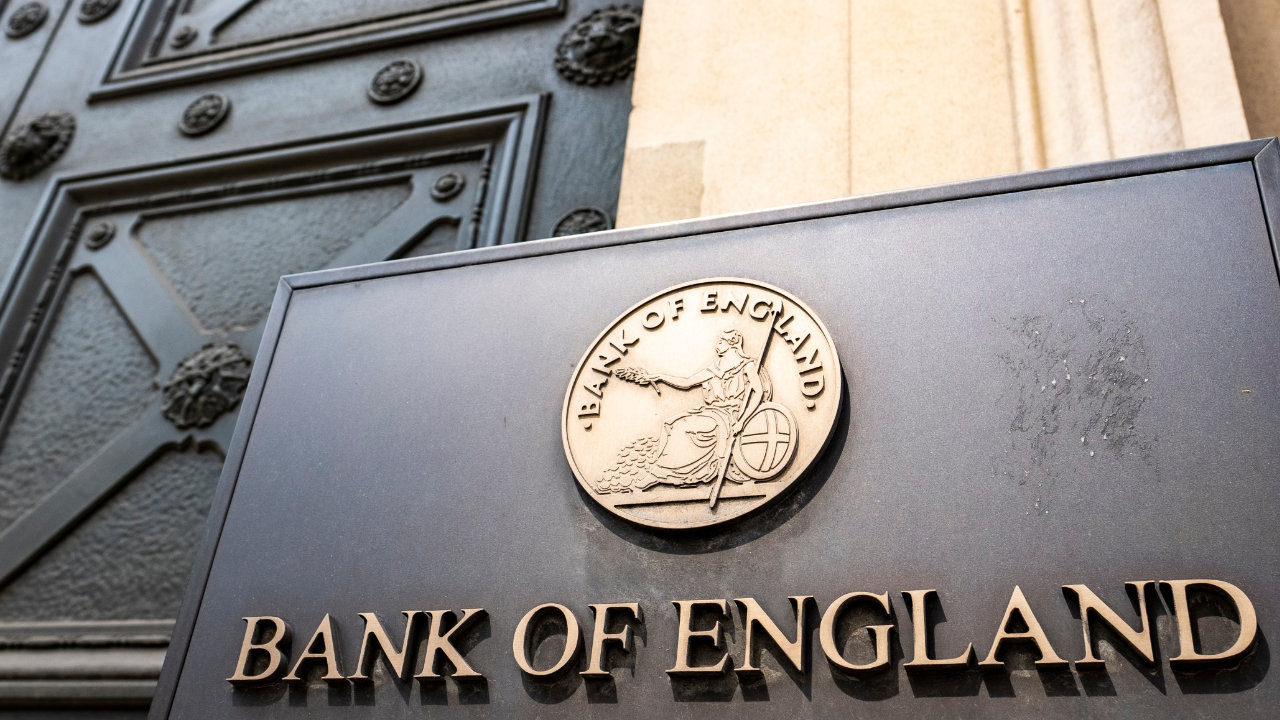
Investors paused on Wednesday to see what the Federal Reserve will do to rein in inflation, while a price hike to a 10-year high in the UK put pressure on the Bank of England to take action on Thursday.
Analysts said Omicron, however, remains the wild card in the equation as the full impact of the new variant of the coronavirus is still unclear.
The MSCI Global Stock Index was unchanged at 735.13 points, just over 3% below last month's all-time high.
The Fed is expected to announce at 7pm GMT that it is accelerating the end of pandemic bond purchases and signalling a move to raise interest rates next year as a protection against inflation hitting nearly four decade highs.
Markets expect at least two hikes in 2022 on the Fed's "dot plot" of where policymakers see borrowing costs rising.
"People will be focused on the dots and whether we'll see more aggressive interest rate dynamics in 2023," said David Riley, chief investment strategist at BlueBay Asset Management.
"But with COVID still casting that long shadow, it could mean we have a situation where it takes longer to rebalance demand for goods and services, which means commodity inflation could persist," Riley said.
The 10-year US Treasury bond yield was 1.44%, well below the recent peak of 1.693%. The yield curve continued its flattening trend as investors believe that an earlier start of Fed tightening will lead to slower inflation in the longer term.
UK consumer price inflation in November reached its highest level in more than 10 years at 5.1%, beating all economists' forecasts.
"Everyone is targeting the Fed, but the UK inflation data is an absolute disaster for the Bank of England - for all intents and purposes they should be raising rates, but the problem is Omicron and the uncertainty around that," said Michael Hewson, chief managing. market analyst at CMC Markets.
"How is the Fed managing this message this afternoon? Too aggressively, and it could tip stocks lower," Hewson said.
The STOXX 600 index of European companies rose 0.45% to 471.73 points. Among the standout assets, Italian insurer Generali rose 1.4% after it pledged to return up to €6.1bn to shareholders.
Shares in IAG, the parent company of British Airways, fell 0.8% after reports that it is in preliminary talks to cancel the acquisition of rival Air Europa, another sign that the travel sector has been hit by COVID-19.
Nasdaq and S&P 500 futures remained steady, having declined the night before.
All comers, everywhere and at all times can do their trading with https://newexness.com/exness-download/.
CRUDE OIL SIMPLICITY
Asian shares were flat and declined, with the broadest index of Asia-Pacific shares outside Japan MSCI dropping 0,45% in slow trading.
Japan's Nikkei fluctuated on either side of flat and South Korea was little changed.
Chinese blue chips fell 0.8% as restrictions imposed by the coronavirus had a negative impact on retail sales in November, although industrial production did improve.
The prospect of higher short-term rates supported the US dollar, especially against the euro and yen, where monetary policy is expected to lag.
The single currency remained at $1.1270, not far from the recent low of $1.1184. The dollar remained stable at 113.70 yen and near resistance at 113.95.
The dollar index remained steady at 96.443, with bulls expecting a November peak at 96.938.
The risk of rising cash rates has been a burden on gold, which does not offer a fixed yield, and has left it capped at $1,768 an ounce.
Oil prices fell after the International Energy Agency (IEA) said the spread of a variant of the Omicron coronavirus would affect the recovery in global fuel demand.
The price of Brent crude fell 0.6% to $73.24 a barrel, while US crude fell 0.8% to $70.15 a barrel.
Read with us: Nokia's third-quarter profit beat expectations despite chip shortages
