

The Mouth-Body Connection: How Dental Health Impacts Your Overall Well-Being

Your mouth serves as more than just the gateway for food and conversation it's a window into your overall health. The connection between oral health and systemic wellness runs deeper than most people realize, with mounting scientific evidence revealing how conditions in your mouth can influence everything from your heart to your brain.
The Inflammatory Highway

Poor dental health creates a chronic inflammatory state that extends far beyond your gums. When bacteria accumulate along the gumline, they trigger an immune response that produces inflammatory molecules. These substances don't stay localized in your mouth; they enter your bloodstream and travel throughout your body, potentially contributing to inflammation in distant organs and tissues.
This systemic inflammation has been linked to numerous health conditions, making your daily brushing and flossing routine far more significant than simply maintaining a bright smile. The bacteria responsible for gum disease can actually be found in arterial plaques, joint fluid, and other parts of the body where they don't belong.
Cardiovascular Connections
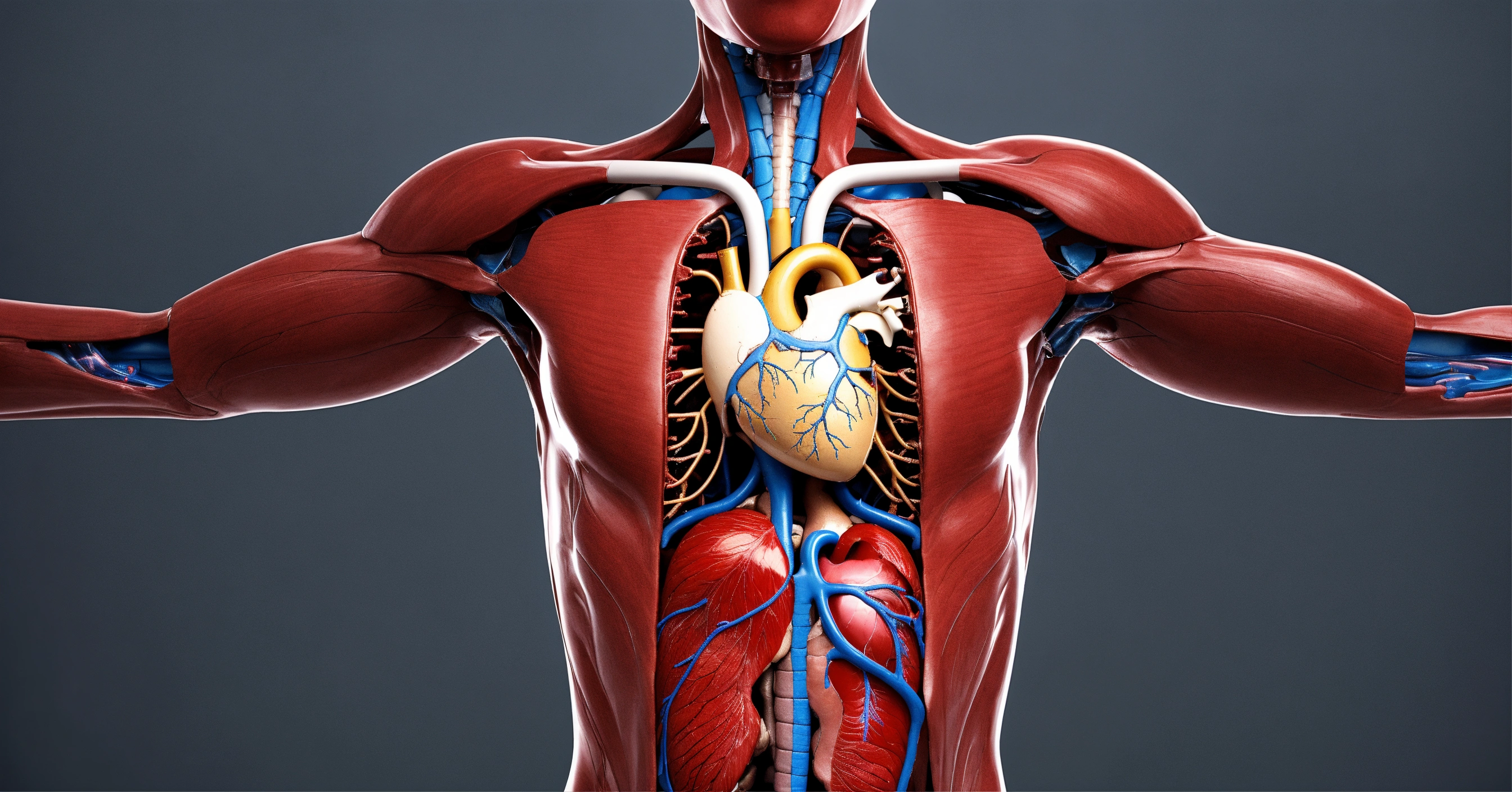
Research has consistently shown a strong association between gum disease and heart disease. People with periodontitis face a significantly higher risk of developing cardiovascular problems, including heart attacks and strokes. The mechanisms behind this connection involve both the inflammatory response and the direct migration of oral bacteria into the bloodstream.
When gum disease is present, routine activities like brushing teeth or even chewing can introduce bacteria into the circulation. These microorganisms can contribute to the formation of arterial plaques, increase blood clotting risk, and promote the narrowing of blood vessels. Some studies suggest that treating gum disease may help improve cardiovascular health markers, though more research is needed to establish definitive cause-and-effect relationships.
Diabetes: A Two-Way Street

The relationship between oral health and diabetes represents one of the most well-documented bidirectional connections in medicine. Diabetes increases the risk of developing gum disease, while gum disease can make diabetes more difficult to control. This creates a potentially dangerous cycle where each condition worsens the other.
High blood sugar levels associated with diabetes can weaken the immune system's ability to fight off bacterial infections in the mouth. Simultaneously, the chronic inflammation from gum disease can increase insulin resistance, making blood sugar control more challenging. Diabetics with good oral hygiene often find it easier to manage their blood glucose levels, highlighting the importance of comprehensive dental care in diabetes management.
Respiratory Health Implications

The mouth and respiratory system share anatomical pathways, making oral health relevant to lung function. Bacteria from the mouth can be aspirated into the lungs, particularly in elderly individuals or those with compromised immune systems. This bacterial migration has been linked to pneumonia, chronic obstructive pulmonary disease (COPD) exacerbations, and other respiratory infections.
Regular dental cleanings and good oral hygiene can reduce the bacterial load in the mouth, potentially lowering the risk of respiratory complications. This connection is especially important for hospitalized patients and residents of long-term care facilities, where aspiration pneumonia poses a significant health risk.
Pregnancy and Reproductive Health

Oral health during pregnancy affects both maternal and fetal well-being. Pregnant women with gum disease face increased risks of premature birth, low birth weight babies, and pregnancy complications. The inflammatory mediators produced by infected gums can trigger early labor and interfere with normal fetal development.
Hormonal changes during pregnancy can increase susceptibility to gum disease, making consistent oral care even more crucial during this period. Many healthcare providers now recommend dental cleanings during pregnancy as part of comprehensive prenatal care.
Cognitive Health and Dementia

Emerging research suggests connections between oral health and cognitive function, particularly regarding Alzheimer's disease and other forms of dementia. The bacteria associated with gum disease have been found in brain tissue of individuals with Alzheimer's, leading researchers to investigate whether chronic oral infections might contribute to cognitive decline.
While the exact mechanisms remain under investigation, the chronic inflammation associated with poor oral health may contribute to the neuroinflammatory processes involved in dementia. Maintaining good oral hygiene throughout life may represent one modifiable risk factor for cognitive health in aging.
Autoimmune and Rheumatic Conditions

People with autoimmune conditions like rheumatoid arthritis often experience more severe gum disease, and conversely, those with advanced periodontal disease may face increased risk of developing certain autoimmune conditions. The shared inflammatory pathways between these conditions suggest that managing one may help control the other.
The bacteria involved in gum disease can trigger autoimmune responses in susceptible individuals, potentially contributing to the development or progression of conditions like rheumatoid arthritis. This connection has led to increased collaboration between dental professionals and rheumatologists in patient care.
Cancer Connections
Several studies have identified associations between poor oral health and increased cancer risk, particularly for cancers of the head, neck, esophagus, and pancreas. While the mechanisms aren't fully understood, chronic inflammation and certain oral bacteria may play roles in cancer development and progression.
Regular dental care that maintains oral health may serve as one component of cancer prevention strategies, though more research is needed to establish definitive protective effects.
Prevention: Your Daily Investment in Overall Health

Understanding these connections transforms routine oral care from a cosmetic concern into a critical health investment. Effective prevention involves several key components that work together to maintain both oral and systemic health.
Daily brushing with fluoride toothpaste removes bacterial plaque before it can cause significant inflammation. Proper brushing technique matters gentle circular motions along the gumline for at least two minutes, twice daily. Electric toothbrushes may provide superior plaque removal compared to manual brushing for some individuals.
Flossing remains irreplaceable for cleaning between teeth and below the gumline where toothbrush bristles can't reach. Daily flossing disrupts bacterial colonies and removes food particles that could feed harmful bacteria. Water flossers can supplement traditional floss but shouldn't completely replace it.
For those seeking natural solutions to support gum health, products like Provadent offer science-backed ingredients to complement traditional oral care routines. Combining these approaches with regular professional cleanings which remove hardened plaque (tartar) that home care cannot eliminate creates a robust defense against systemic health risks linked to poor oral hygiene.
The Broader Picture
The mouth-body connection illustrates how interconnected human health really is. What happens in your mouth doesn't stay in your mouth it can influence your entire body's well-being. This understanding is reshaping both dental practice and general healthcare, with increasing recognition that oral health is an integral component of overall health maintenance.
Medical and dental professionals are beginning to work more collaboratively, recognizing that optimal patient care requires attention to both oral and systemic health. This integrated approach may lead to better health outcomes and reduced healthcare costs by addressing problems before they become severe.
Your daily oral care routine represents one of the most accessible and cost-effective ways to invest in your long-term health. By maintaining good oral hygiene and seeking regular professional care, you're not just protecting your teeth and gums you're supporting your cardiovascular system, immune function, and overall quality of life.
The evidence continues to mount that a healthy mouth contributes to a healthy body. This connection empowers individuals to take an active role in their health through simple, daily actions that can have far-reaching benefits throughout their lives.
