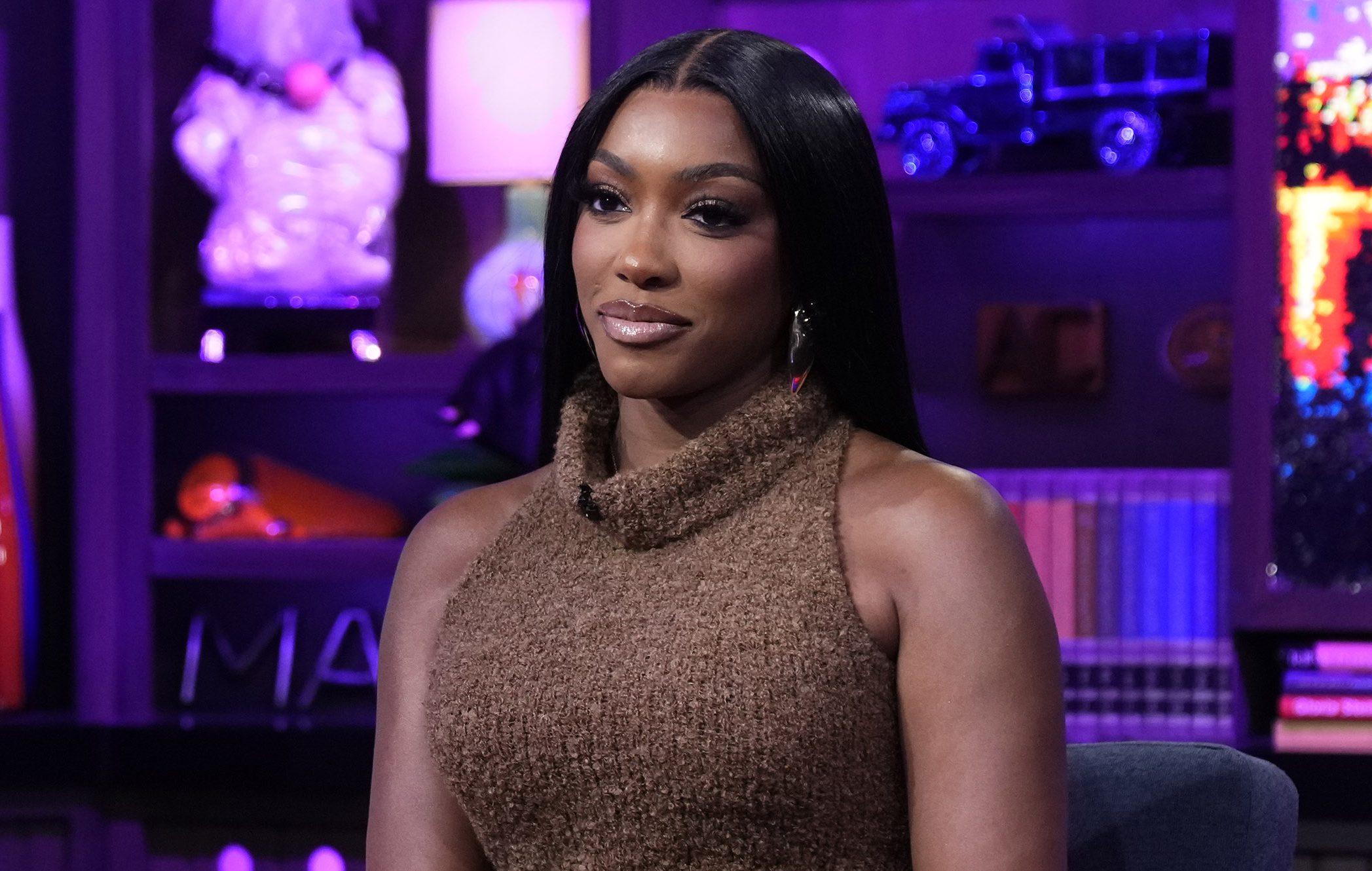
WATCH WHAT HAPPENS LIVE WITH ANDY COHEN -- Episode 23008 -- Pictured: Porsha Williams -- (Photo by: Charles Sykes/Bravo via Getty Images)
Porsha Williams is getting candid about a health scare that reportedly changed the course of her plans to expand her family. The reality star recently opened up about what doctors discovered during a routine fertility-related visit and why she ultimately had to undergo an emergency procedure.
The 45-year-old ‘Real Housewives of Atlanta’ star said the discovery happened in May while she was considering having another child. Williams had gone with a friend to discuss egg freezing and decided to check in with her own fertility doctor while she was there. After revealing that shed been dealing with prolonged periods, migraines, extreme fatigue, and mood swings, doctors discovered 21 uterine fibroids, including one she described as being about the size of a cantaloupe.
Porsha Williams said the fibroids had become so significant that they were affecting her birth canal and putting pressure on her bladder. She ultimately underwent an emergency partial hysterectomy. The reality star has been dealing with fibroids since her late 20s and previously revealed that complications from one contributed to a miscarriage when she was four months pregnant.
Now, Williams is opening up about the emotional side of the experience, including the grief she felt after losing the ability to carry another child. During a conversation with Gayle King on CBS Mornings, Porsha also acknowledged the stigma she felt around discussing her hysterectomy. By sharing her story, she hopes to encourage women, particularly Black women, to listen to their bodies, advocate for themselves, and seek medical care when something doesnt feel right.
And Porsha is making sure the conversation doesnt stop there! The reality star jumped into The Shade Rooms Instagram comment section saying:
“Thank you so much…for sharing my story and helping spread awareness about fibroids! Its so important for us as women to advocate for ourselves, prioritize preventative care and early detection, and understand every treatment option available and especially those that may help avoid a hysterectomy when possible. And if surgery is necessary, proper aftercare is just as important. I hope my story encourages more women to listen to their bodies, ask questions, and take charge of their health. Stop diagnosing yourself and get informed! Care for you 1st”
