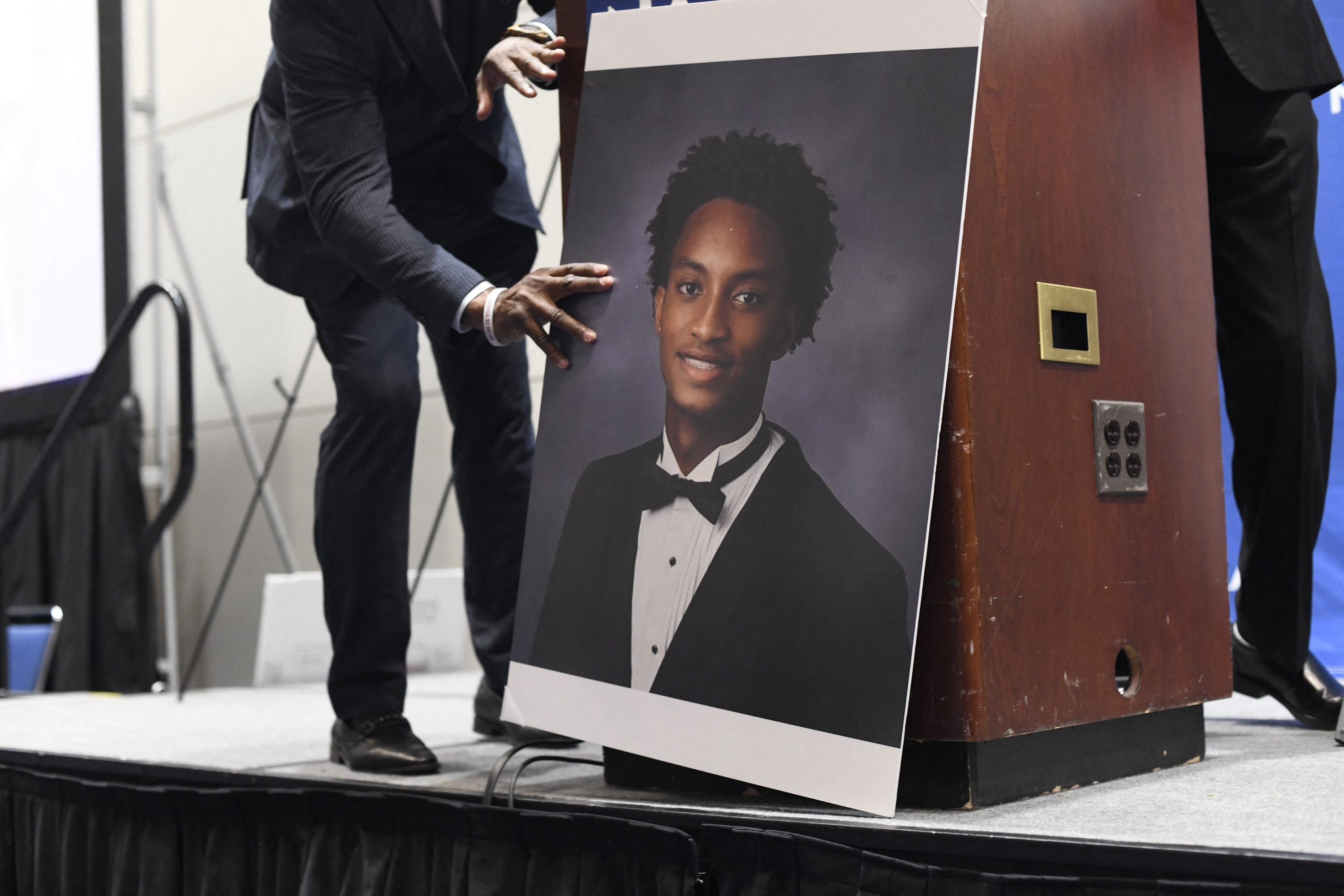
Nearly three months after Nolan Wells first disappeared, his family still doesn’t know what happened to him. What seemed like a July 4 boating day turned into two days of Mississippi officials and volunteers searching for the 18-year-old. After they found his body, the public quickly suspected foul play from his mostly white friend group, who had left Nolan on the island, allegedly at his request. Also, Jackson officials caused intense backlash after appearing to rush to the drowning conclusion. The public has waited weeks to hear from the grand jury, too. Then, on Monday, they declined to bring charges against anyone for Nolan Wells’ death. Their reasoning? Not enough evidence of criminal wrongdoing.
So, what does this mean? Here are five takeaways from the report on the jury’s decision.
RELATED: Lawyers For Nolan Wells’ Family Respond After Grand Jury Finds Insufficient Evidence Of Criminal Wrongdoing In His Death
1. The Grand Jury Reviewed Several Points Of Evidence
During its investigation into whether crimes were committed, the grand jury issued 132 subpoenas. Also, they heard from 43 witnesses through direct testimony, sworn statements and recorded interviews, according to the report, as reported by The Associated Press. Seven people were invited to testify and the identities of those who testified is redacted or withheld. Also, the jury weighed evidence, including cellphone data and forensic reports, videos and GPS data.
2. A Witness Testified To Seeing Nolan Wells Fall Off A Boat
A witness testified to the grand jury that he saw Wells slip awkwardly off the side of a boat around 3:30 p.m. on July 4. However, the witness reportedly said that Wells continued to socialize after the fall and didn’t appear injured. Additionally, the panel said it couldn’t determine whether the fall caused the bruising on Wells’ body.
The bruising has been a major point highlighted by Nolan Wells’ family and their lawyers following the grand jury’s decision. Nolan Wells’ mother, Christine Wonsley, said at a news conference Tuesday (Sept. 22) that she didn’t understand how the grand jury concluded that her son had accidentally drowned, given the autopsy findings.
“How can a jury come to the conclusion of drowning, despite knowing that there was trauma to his body, and despite hearing many inconsistencies?” Wonsley said.
3. Evidence Does NOT Support Cocaine Use, Uncertain About Alcohol
The grand jury report also said that although alcohol was found in Nolan Wells’ body, the result was highly unreliable because the testing involved decompositional fluid. Such fluid examined after someone’s death may include alcohol consumed during life as well as ethanol generated after death by microbial fermentation, it said. As for cocaine. None of that was found in Wells’ system.
“The Grand Jury finds that Mr. Wells did not have cocaine in his system at the time of his death and found no evidence to suggest Mr. Wells ever used cocaine.”
4. Nolan Was Not The Only Black Person On Horn Island
Additionally, the report shut down public assumptions that Nolan Wells was the only Black person on Horn Island on July 4. He was not.