


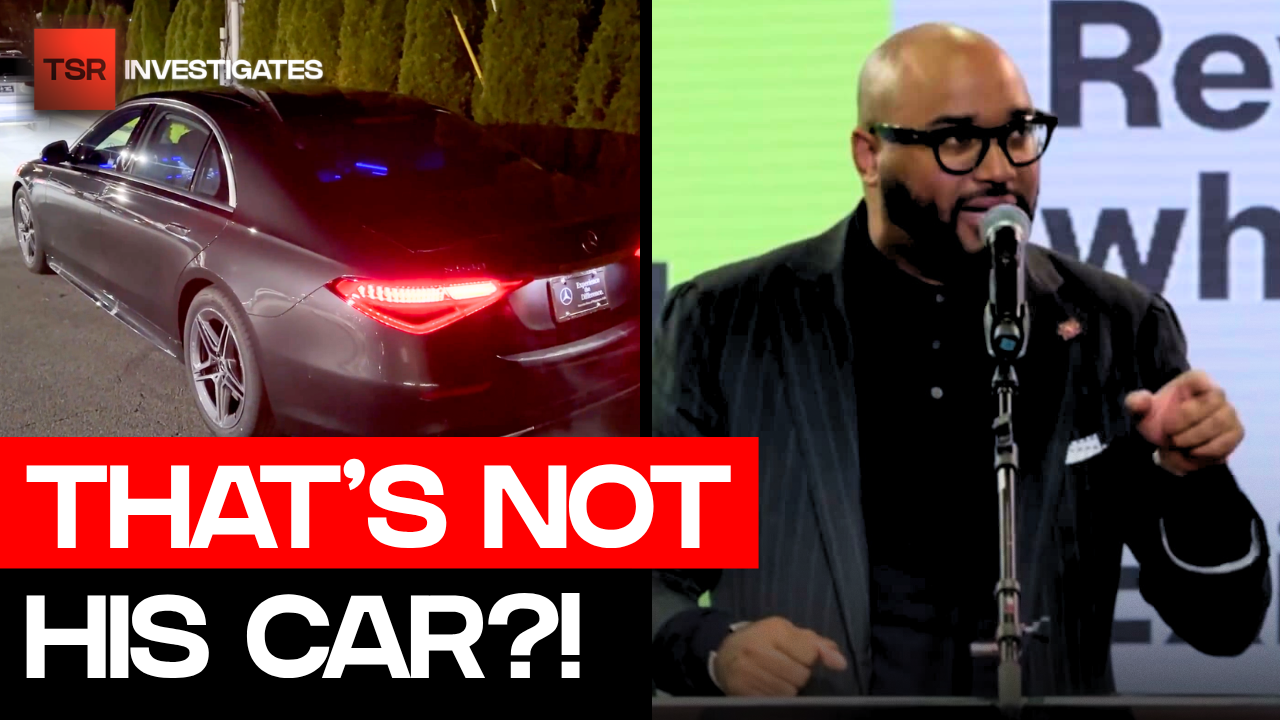
Atlanta Pastor Mark Moore had his $90,000 Mercedes-Benz repossessed after he was sold the car with an apparently fake title. The car was sold to him by a dealership. However, the sale was reportedly part of a “nationwide title washing scheme.”
Pastor Moore reportedly made a $30,000 down payment and kept up with the loan payments until the vehicle was repossessed.
From forged documents to outstanding liens, The Shade Room’s Justin Carter is diving in and breaking down exactly what happened to Pastor Mark Moore on ‘TSR Investigates.’
Stay Connected
Subscribe to updates from The Shade Room
Atlanta Pastor’s Benz Tied To A Fraud Scheme
According to Carter, Pastor Mark Moore bought his car from Central Cadillac in Cleveland, Ohio, in 2024. He put $30,000 down, financed the remaining amount, and has never missed a monthly payment since. However, when he called the bank financing his loan, they reportedly misidentified him, revealing that the car title was registered in another person’s name.
“We’ve been trying to repossess this car for over three years,” the representative reportedly told Pastor Moore. “This car was in a fraud case.”
Moore reportedly concluded that Central Cadillac sold him a car with a fake title. Furthermore, the car reportedly belonged to a 68-year-old Edwin Peavy. Peavy was reportedly part of a network of criminals who went around “title-washing” “dozens” of legitimate financed cars. Their process reportedly concealed the vehicles’ existing liens. From there, Peavy and his group would reportedly sell the cars to unsuspecting dealerships, turning a major profit.
More On Pastor Mark Moore’s $90K Benz & The Fraud Scheme
The group reportedly was successful with their scheme for five years. Per Carter, a separate incident also happened to a couple in Chicago in 2019.
Scroll above to watch as Carter details the separate but similar incidents. Additionally, Carter shares the latest arrest and charges recently brought up against Edwin Peavy and his group. Lastly, Carter shares how Central Cadillac reacted to the mishap, and what consumers should keep in mind to avoid a similar scam.
